Industrial noise control for factories, power stations, pharmaceutical plants and manufacturing sites across Ireland and the UK. We identify the plant actually driving the problem, quantify what it contributes, then design, specify and install the engineered noise control needed to fix it.
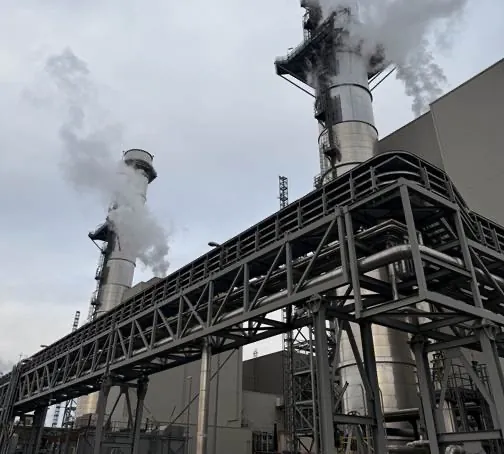
We provide industrial noise control for factories, power stations, pharmaceutical plants and manufacturing sites, from source identification and modelling through to engineered controls, installation support and verification.
Establishing where the noise is coming from, how much each source contributes and what the site is being measured against, whether that is an Industrial Emissions Licence limit, a planning condition or an occupational exposure duty. Sound power measurement of individual plant is the step most often skipped, and the one that saves money.
Once every source has a measured sound power level, a three-dimensional model of the site shows what each one contributes at the boundary and at the nearest homes, so mitigation is targeted at the plant actually responsible rather than treating every item as equally responsible. Our guide to noise modelling and noise mapping covers how the models are built and validated.
Typical measures include acoustic enclosures, barriers, in-duct and discharge silencers, lagging and damping treatments, chosen against the source and the constraints of a live site. Our guides to acoustic enclosures and industrial soundproofing set out how the main measures work and where each one is appropriate.
Where a solution is specified we can supply and install it as well, then verify by measurement, against the same method used before it, that the installed result achieves what the model predicted. Carrying the design through to a commissioned, measured result is what closes the gap between what was specified and what was actually built.
We investigate the site to establish which plant, processes or transmission paths are actually driving the problem, rather than assuming every item of equipment is equally responsible.
Sound power measurement of individual sources, combined with a three-dimensional model of the site, quantifies what each one contributes at the boundary and at the nearest receptor, and establishes the reduction actually required.
Mitigation options, barriers, enclosures, silencers and damping, are tested in the model and specified against the reduction required, avoiding both under- and over-engineering.
Where a solution is specified we can supply and install it, then verify by measurement, against the same method used before it, that the achieved performance matches what was predicted.
Allegro Acoustics has delivered industrial noise control on live power stations and manufacturing sites across Ireland, identifying dominant sources and designing engineered solutions that work within live-site constraints.
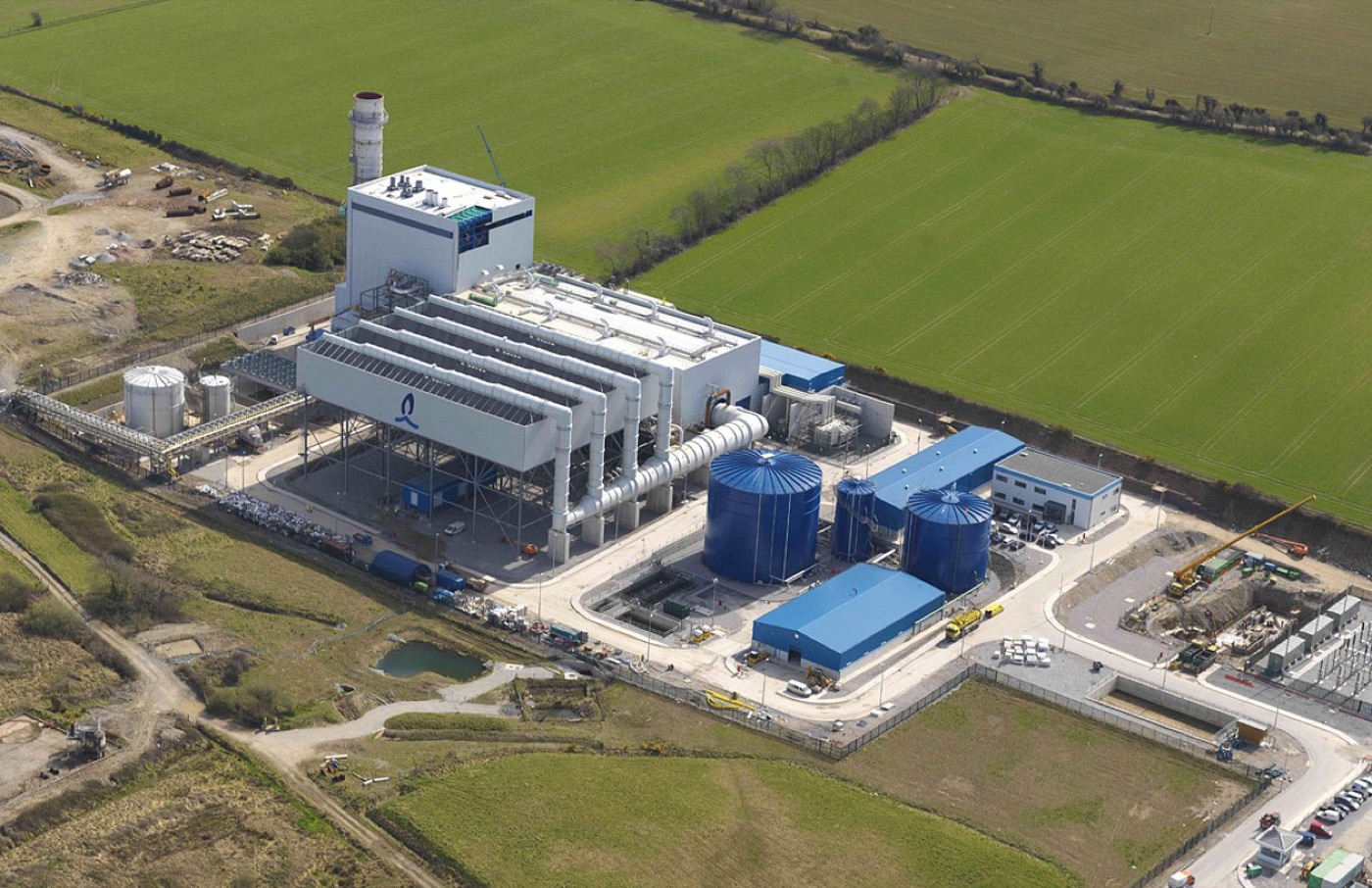
Source investigation, SoundPLAN modelling and bespoke silencers and acoustic barriers, designed, supplied and installed on a live 445MW plant, with post-installation verification.

Source identification and ranking across a live medical device manufacturing site, leading to targeted engineering noise-control measures for the plant contributing most to exposure.
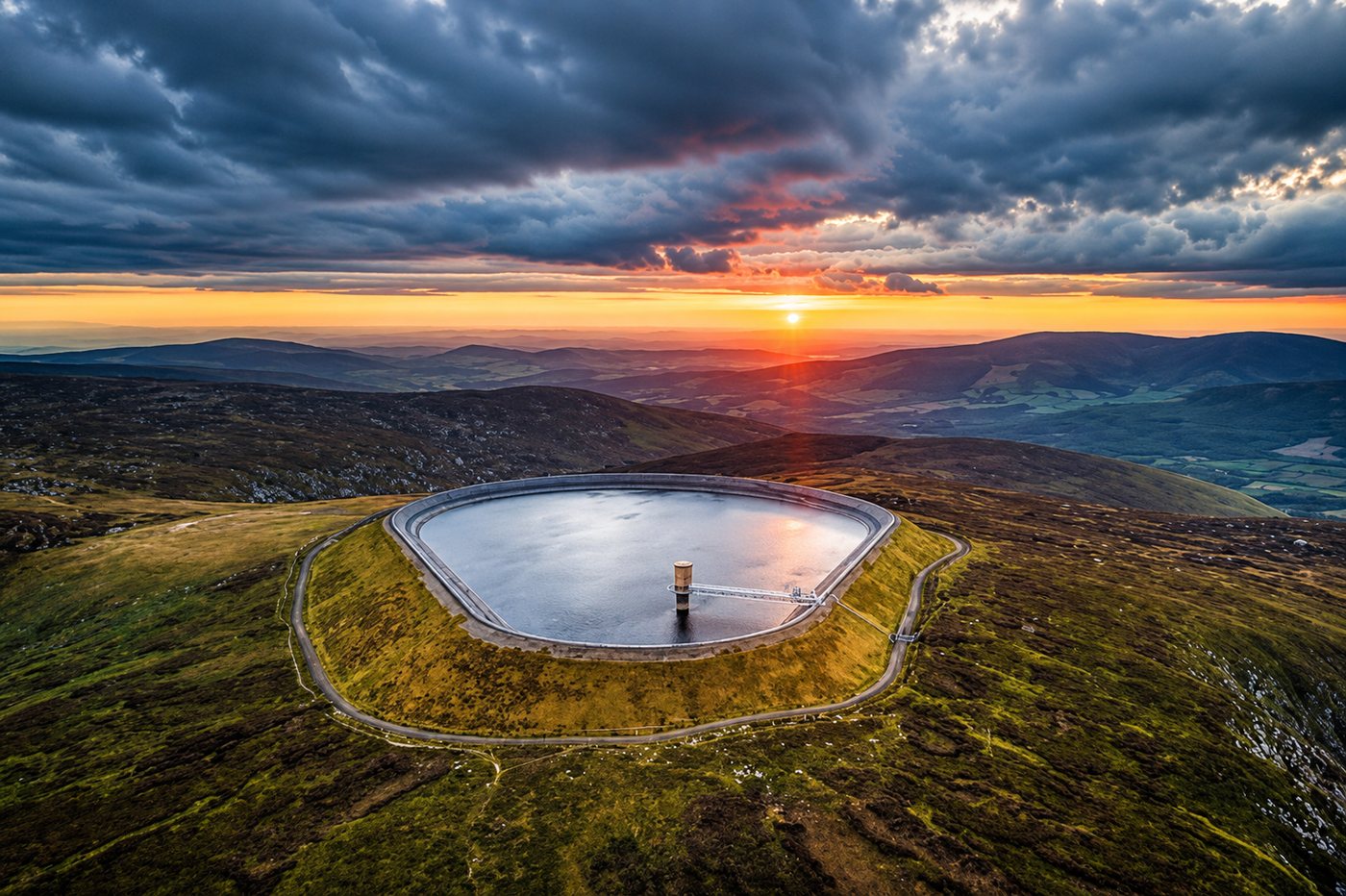
Noise transmission investigation and targeted noise-control recommendations inside an underground power station cavern, where the plant could not be taken offline.
By measuring the sound power of individual items and modelling their contribution at the boundary and at the nearest homes. That is the step most often skipped, and skipping it leads to over engineering. Establishing that two fans account for most of an exceedance means the mitigation can be aimed at two fans.
Usually, and it is most of what we do. Our engineers have delivered noise control inside operating power stations and pharmaceutical plants where the process cannot simply be switched off. Access, process continuity and safety constrain the design as much as the acoustics do, and planning for that is part of the work.
Acoustic enclosures, barriers, in duct and discharge silencers, lagging and damping treatments, chosen against the source and the constraints of the site. Where a solution is specified we can supply and install it as well, which closes the gap between what was specified and what actually gets built.
By measuring after installation against the same method used before it, and comparing the result with what the model predicted. Commissioning verification is part of the service rather than an extra, because a prediction is only a prediction until it has been demonstrated on site.
Relevant sectors: Life Sciences · Manufacturing · Power Generation & Data Centres
Related services: Environmental Noise Monitoring · Workplace Noise & Vibration · Planning Noise Assessments · Building Acoustics

Your enquiry is on its way. We'll be in touch shortly.