Environmental noise monitoring and surveys for industrial facilities and infrastructure projects across Ireland and the UK.
Allegro Acoustics provides annual IEL compliance monitoring, EPA NG4 environmental noise surveys, baseline noise surveys, long-term monitoring and noise complaint investigations. We supply clear reporting and practical engineering support where noise mitigation is required.
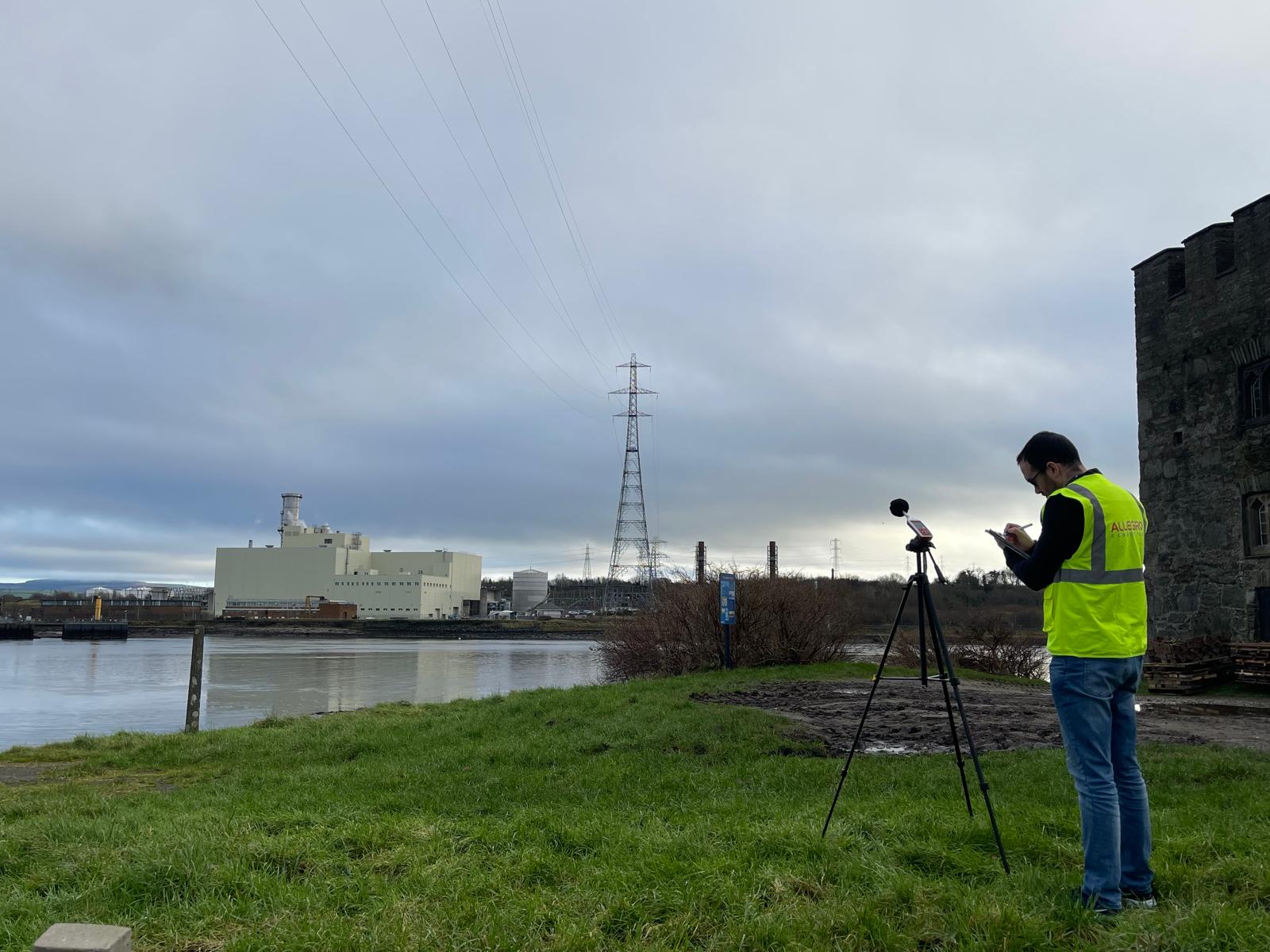
We provide environmental noise monitoring services across a range of industries and applications, including regulatory compliance, baseline noise surveys for planning, and noise complaint investigations.
Annual environmental noise surveys for EPA-licensed facilities, including daytime, evening and night-time monitoring, tonal and impulsive assessment and compliance reporting.
Comprehensive baseline monitoring for planning applications, plant changes and new developments, with meteorological logging and robust data screening. These surveys feed directly into our planning noise assessments and EIAR work.
Monitoring at site boundaries and nearby noise-sensitive locations to assess compliance and establish the contribution of site operations.
Unattended monitoring, remote data access and targeted investigations for intermittent noise, complaints, seasonal operations and difficult-to-diagnose sources.
Review licence conditions, planning requirements, complaints or operational concerns and agree the appropriate monitoring strategy.
Undertake attended or unattended measurements using Class 1 instrumentation at representative boundary and receptor locations.
Review measured levels, weather conditions, tonal or impulsive characteristics and source contribution against the applicable criteria.
Provide clear reporting, identify any compliance issues and, where required, progress directly into source investigation, modelling or engineered noise control.
Allegro Acoustics has extensive experience delivering environmental noise surveys across a wide range of sectors, from major industrial and pharmaceutical sites to power generation, infrastructure and commercial developments. Explore some of our previous work below.
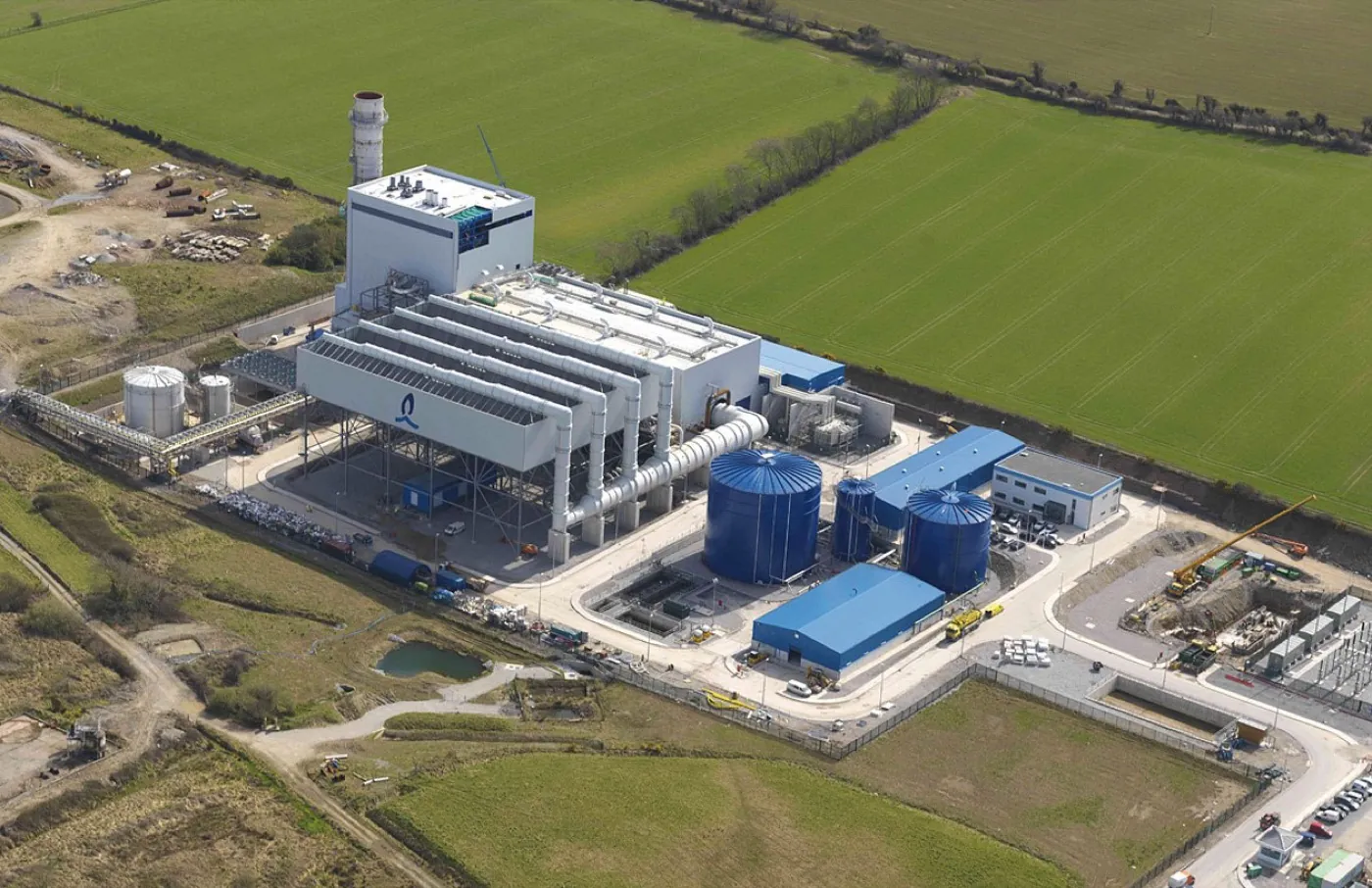
Environmental noise monitoring and technical acoustic support for a major Irish power-generation facility.

Environmental noise monitoring for complex pharmaceutical operations.

Environmental monitoring support at a major manufacturing facility in Dublin.
Frequency depends on what triggers the requirement. Industrial Emissions Licences typically require annual monitoring, planning conditions are often tied to specific construction or operational milestones, and a one-off baseline survey may be all that is needed before a development proceeds.
An IEL survey measures daytime, evening and night-time noise levels at the locations named in the licence, assesses tonal and impulsive character, compares the results against the licensed limits, and reports the findings in a form the EPA will accept.
A boundary or baseline survey is typically completed within one to a few days on site, depending on the number of locations and periods required. Long-term or unattended monitoring can run for several weeks where a licence, complaint or seasonal pattern requires it.
Yes. Complaint investigations are designed around the specific conditions being reported, which often means attended monitoring at night or during the periods identified in the complaint, alongside an assessment of tonal or intermittent character.
Relevant sectors: Life Sciences · Manufacturing · Power Generation & Data Centres · Planning & Construction
Related services: Workplace Noise & Vibration · Planning Noise Assessments & EIAR · Industrial Noise Control · Building Acoustics

Your enquiry is on its way. We'll be in touch shortly.