If you need to measure sound levels, protect employees, or maintain compliance with regulations, then you need workplace noise monitoring.
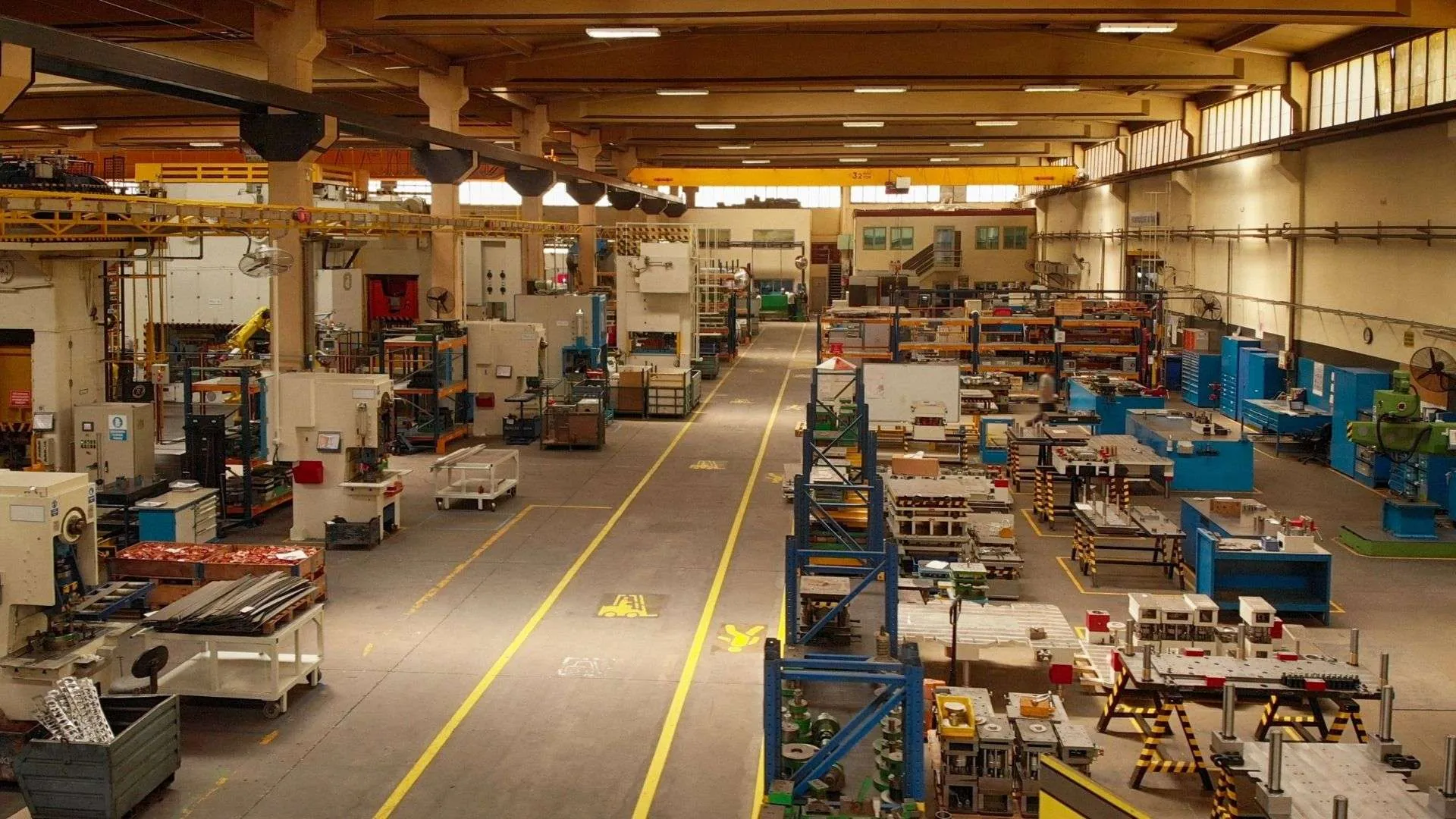
Workplace noise; any unwanted or harmful sound generated within a working environment that can impact employee health or productivity. It can come from machinery, tools, ventilation systems, vehicles, or even from the employees themselves, communication devices for example. Understanding workplace noise is an essential part of modern operations, identifying risks and managing exposure.
In Ireland and the EU, the Control of Noise at Work Regulations (2007) set specific exposure limits to protect workers from hearing damage. The Lower Exposure Action Value is 80 dB(A) over an eight-hour period, and the Upper Exposure Action Value is 85 dB(A). Above 87 dB(A), employers must not allow exposure to continue without effective controls. Regular workplace noise monitoring identifies when these levels are exceeded and allows employers to take corrective action early.
Noise exposure isn’t just a nuisance, it’s a significant occupational health risk. Prolonged or repeated exposure to high noise levels can lead to permanent hearing damage, even if the exposure seems tolerable day-to-day. It can also contribute to fatigue, stress, and reduced concentration, increasing the risk of workplace errors. From a business perspective, excessive noise can affect productivity, increase absenteeism and invite regulatory scrutiny.
It is a legal requirement in Ireland and throughout the EU to assess and control occupational noise exposure. The Safety, Health and Welfare at Work (General Application) Regulations 2007 (Part 5, Chapter 1) outline employer responsibilities, including a noise risk assessment and keeping exposure below the legal limits. Non-compliance can result in enforcement actions, penalties, and reputational damage.
Excessive workplace noise levels can cause noise induced hearing loss, tinnitus and other serious health issues, increased stress, fatigue, and even cardiovascular issues. Over time, employees exposed to unsafe noise levels may experience difficulties communicating or disrupted sleep. These health effects can have lasting consequences for both individuals and employers. Organisations need to identify high-risk areas and implement controls, acoustic barriers or process changes for example.
Noise directly affects how people perform, and how well they focus. In manufacturing plants, labs, or offices, excessive background noise can cause miscommunication, decreased concentration, and increased likelihood of mistakes. Quieter workplaces on the other hand foster collaboration and efficiency. Reducing noise improves outcomes.
Noise is the hidden safety hazard. In loud environments, workers may struggle to hear warnings, alarms or instructions, increasing the risk of accidents. Clear communication is critical in sectors like manufacturing and pharmaceuticals, where quick responses and coordination are important. Maintaining a manageable noise level, employers improve. safety culture and compliance.
Not all workplace noise is the same. Understanding the different noise types helps determine the most effective control strategies. Industrial and commercial environments typically have continuous, intermittent, impulse, and low-frequency noise sources, each with unique challenges.
Continuous noise is steady, unchanging, and persists over time. Examples include the hum of machinery, generators, or ventilation systems that run throughout a shift. Although often perceived as background noise, continuous exposure can cause gradual hearing fatigue and permanent damage if levels exceed safe limits. It also contributes to cognitive strain, making communication more difficult. Acoustic design and maintenance can help reduce this.
Intermittent noise fluctuates in intensity and/or frequency, occurring at irregular intervals. Examples include equipment cycling on and off or the clatter of tools in a busy workshop. These variations make it harder for employees to adapt, and can lead to distraction. Repeated exposure can still exceed safe daily limits even if the sound seems temporary. Monitoring helps identify patterns and peak exposures that might otherwise go unnoticed.
Impulse noise is a sudden, sharp burst of sound; a hammer strike, explosion or metal impact. Even a single exposure to a high-level impulse can cause immediate hearing damage. These noise types are common in heavy industry, construction or manufacturing environments. Protecting workers requires a combination of sound barriers, damping materials and personal hearing protection.
Low-frequency noise is often generated by large fans, compressors or industrial ventilation systems. It travels long distances, penetrates walls easily, and can be difficult to locate or control. Prolonged exposure can lead to headaches and fatigue, even at levels below standard exposure limits. Traditional soundproofing often fails to address these frequencies effectively.
Noise monitoring is a legal and practical necessity for any organisation where employees may be exposed to potentially harmful sound levels. It provides the data needed to assess compliance, protect health and make informed operational decisions. Workplace noise monitoring gives employers the confidence to act decisively, backed up with precise, standards-based surveys.
Pharmaceutical plants, power generation and manufacturing facilities operate with machinery and processes that generate significant noise levels. Continuous monitoring is required where employees are exposed to daily sound levels above the legal threshold or where high-intensity operations; compressors, turbines, or production lines etc. are in use. Irish and EU legislation mandates periodic occupational and environmental noise assessments in such settings. Regular testing demonstrates compliance, and also helps pinpoint noise sources, allowing the engineering team to address them proactively.
Noise monitoring is also required when a facility operates under an Industrial Emissions Licence (IEL) or faces noise-related complaints from neighbouring properties. The Environmental Protection Agency (EPA) expects licensed sites to conduct annual noise surveys, submit formal reports and demonstrate that they’re not exceeding permitted limits. If complaints are made, monitoring is the first line of defence, verifying levels and providing.
Noise monitoring is part of every occupational health surveillance programme. When assessments show that employees are regularly exposed to noise levels above the 80 dB(A), employers must implement hearing checks and health tracking. This process allows early detection of hearing loss and confirms whether protective measures have been effective. Continuous monitoring supports long-term employee health and provides a clear care.
Noise control measures are often the result of workplace noise monitoring. Once areas of concern have been identified, these measures translate data into action; reducing exposure, protecting workers, and maintaining compliance. In industrial settings, noise control is about meeting legal requirements and also improving workplace safety and operational performance.
Noise assessments are the first step; measuring noise exposure across different work areas, processes and time periods, provides a clear understanding of where and when employees are at risk. The data informs the next step, a targeted mitigation plan, focusing resources where they are most needed. We carry out occupational noise surveys in line with ISO 1996 and the Control of Noise at Work Regulations, including actionable recommendations, and predicting future risks.
learn more about acoustic testing and surveys…
Occupational noise monitoring focuses on employee exposure and is part of HSA standards compliance. It measures individual exposure and peak sound pressure during normal working hours, often using personal dosimeters to capture real-time data. This information determines whether employees are operating above the exposure action values and what control measures are required. We provide detailed exposure profiles to our clients, highlighting high-risk roles, workstations or processes. Our engineers then interpret the data to recommend practical solutions. This proactive approach allows EHS managers to maintain safe noise levels and demonstrate due diligence.
Effective noise control combines expert testing, acoustic engineering and practical design. High-risk areas are identified and tailored solutions are developed to address each specific noise source; airborne, structural or process-related. These may include acoustic enclosures, silencers, vibration isolation or sound-absorbing materials integrated into the machinery or the building design. At Allegro Acoustics we apply advanced modelling tools to simulate how different control options will perform, allowing clients to select the most effective, and cost-effective, approach.
When engineering controls cannot fully limit exposure, hearing protection becomes the last line of defence. Correct selection, fit and ongoing training are all important, because employers are responsible for providing this equipment to all employees whose exposure exceeds action value limits. However, hearing protection is not a substitute for noise reduction at source. We support clients in developing comprehensive hearing protection programs.
Outside of the workplace, environmental noise monitoring focuses on the impact of noise in the surrounding area. It assesses noise exposure levels outside the boundary of the facility; typically nearby residences, property lines, transportation noise or sensitive locations like schools and hospitals. In Ireland, facilities operating under an Industrial Emissions Licence (IEL) are legally required to conduct regular environmental noise surveys, often on an annual basis, in accordance with EPA and ISO 1996 standards.
learn more about environmental noise monitoring…
If your workplace has machinery, production lines or any process where employees are exposed to harmful noise levels, the answer is almost certainly yes. Workplace noise monitoring is a legal requirement in many cases, and it’s a vital part of responsible business management. It protects your team, demonstrates compliance with HSA regulations and provides the data you need to make confident, informed decisions about noise control in your facility.
For EHS and facilities managers, occupational noise assessments deliver peace of mind. They verify that hearing protection measures are effective, prevent long-term hearing damage and reduce the likelihood of enforcement actions or compensation claims. Allegro Acoustics has built a reputation as Ireland’s trusted acoustic consultancy for occupational and environmental noise management. Our team offers decades of engineering expertise, and state-of-the-art measurement and modelling tools that deliver clear, reliable results.
To discuss noise monitoring services, and your workplace noise requirements, contact us today. Our engineers will help you assess your site, interpret the results, and develop a tailored noise at work plan.

Your enquiry is on its way. We'll be in touch shortly.