Noise modelling uses computer-based simulations to predict how sound travels through a space and impacts an environment...
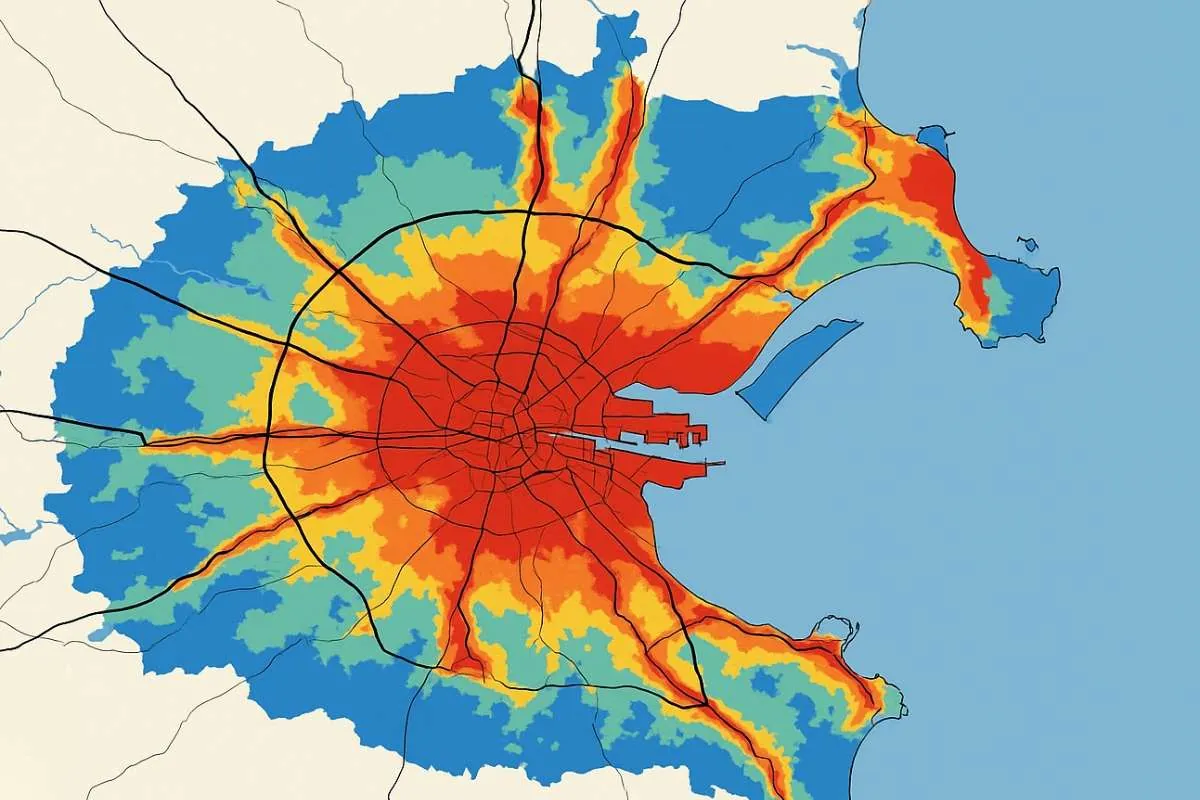
Noise modelling is the most reliable way to predict how sound will behave; assessing potential noise risks before issues arise. Input data combined with advanced acoustic software, the modelling process produces an output, in the form of a heat-map, that everyone can easily understand; better design decisions, regulatory compliance and reduced risk to workers and the local community.
Accurate noise modelling can’t happen without high-quality input data. You need detailed information on all relevant noise sources, and the physical environment. Depending on the use case, this can include; road traffic volumes, equipment sound levels, operating schedules, activity patterns, building layouts, surface materials and meteorological data. When combined in a structural model, a realistic baseline is established.
Noise modelling software processes the input data and simulates how sound moves across a site, with a space or into the wider environment. It calculates how noise interacts with buildings, acoustic barriers and ground types, for a clear picture of expected levels. The software applies recognised acoustic standards and algorithms, for complete confidence when presenting results to regulators. It also accounts for reflections, shielding, attenuation, and local topography, for a repeatable assessment, far more reliable than any manual process. In industrial settings, the software can model various operating scenarios, identifying the most significant contributors of noise and perfect for testing different noise control options.
A noise map presents the model results in a visual format, making the complex data easy to understand. A Contour map highlights areas that may exceed guideline values or pose a potential risk for workers or the local community. These noise maps visualise how sound levels change across a facility boundaries or the planned development area. They help project teams identify hot-spots, understand patterns and communicate findings clearly to decision makers and the relevant regulatory bodies.
Noise action plans translate the findings into practical steps. The plan outlines the control measures required to reduce predicted impacts to acceptable levels; equipment shielding, layout adjustments, operational controls, scheduling changes etc. Each item in the noise action plan is linked back to the specific source identified in the model, a direct line between the technical assessment and the on-site response. For industrial facilities, noise action plans help maintain compliance with licence conditions and provide a clear record for the regulatory authorities.
Noise modelling is used whenever a project or management team needs a reliable prediction of how sound will behave before construction, operational changes, or planning submissions take place. It gives EHS managers, planners and designers a clear understanding of future noise risks so they can make better decisions.
Introducing new equipment, changing layouts, expanding production lines or applying for an updated licence?... you might need noise modelling. It predicts how operational noise will move around a site and also into nearby areas, residential housing for example. For pharma, data centres, manufacturing or power stations, the model will help identify sound sources and test options.
Environmental noise modelling demonstrates compliance with EPA guidelines and other regulations. It predicts the potential impact of a development on the environment, the community and also protected areas. This is often required as part of a planning submission, and the model shows regulators how proposed control measures will address the environmental impact.
Modelling plays an important role in the planning process, from a noise perspective. Local authorities expect applicants to demonstrate how a development will affect its surroundings and how external noise will influence the building’s internal environment. The model supports BS 4142, road traffic noise and other appropriate assessments. It provides objective evidence, and helps address “Requests for Further Information” when asked for.
Workplace noise modelling is used to evaluate internal noise exposure. It supports HSA compliance by identifying priority areas where employees may be at risk of exceeding exposure action values. The model helps EHS teams understand how equipment location, building materials and operational patterns affect worker exposure. It is particularly helpful when planning new production lines.
During the architectural design process, noise modelling is used to predict internal and external noise; offices, schools, hospitals, hotels, residential developments and other buildings with architectural acoustics requirements. It supports compliance with Technical Guidance Document E and other relevant performance standards. Modelling helps design teams understand how sound will travel through a space, how partitions or noise barriers will perform, and whether mechanical and electrical plant will impact a workplace.
learn more about architectural acoustics...
Noise modelling is often required to demonstrate compliance with Irish regulations and EU directives. Local authorities rely on modelling when assessing planning applications, confirming that developments meet noise criteria. EU requirements, EPA guidance, Industrial Emissions Licence conditions and HSA regulations all involve assessment steps where modelling strengthens the evidence.
Urban planning projects use noise modelling to assess how new transport routes, road layouts or developments will affect noise levels. Road traffic, rail airport noise models also play a role in planning decisions and design.
Effective noise management starts with clear, reliable data, expert guidance and a noise action plan. Whether you need noise compliance, to meet planning requirements, or early-stage design decisions, noise modelling gives you the clarity you need to move forward with confidence. Allegro Acoustics supports EHS managers, project teams, and planners across Ireland with noise surveys, modelling, mapping and analysis solutions. Our team works across pharma, manufacturing, data centres and large infrastructure projects.
If you are planning a development, preparing a licence submission, responding to a noise issue or assessing operational changes, our consultants can help you understand the risks and identify the right mitigation measures. To discuss your project speak with one of our noise experts today...

Your enquiry is on its way. We'll be in touch shortly.