Energy systems are being transformed. Demand is rising, driven in large part by the growth of data centres and pharmaceutical manufacturing...
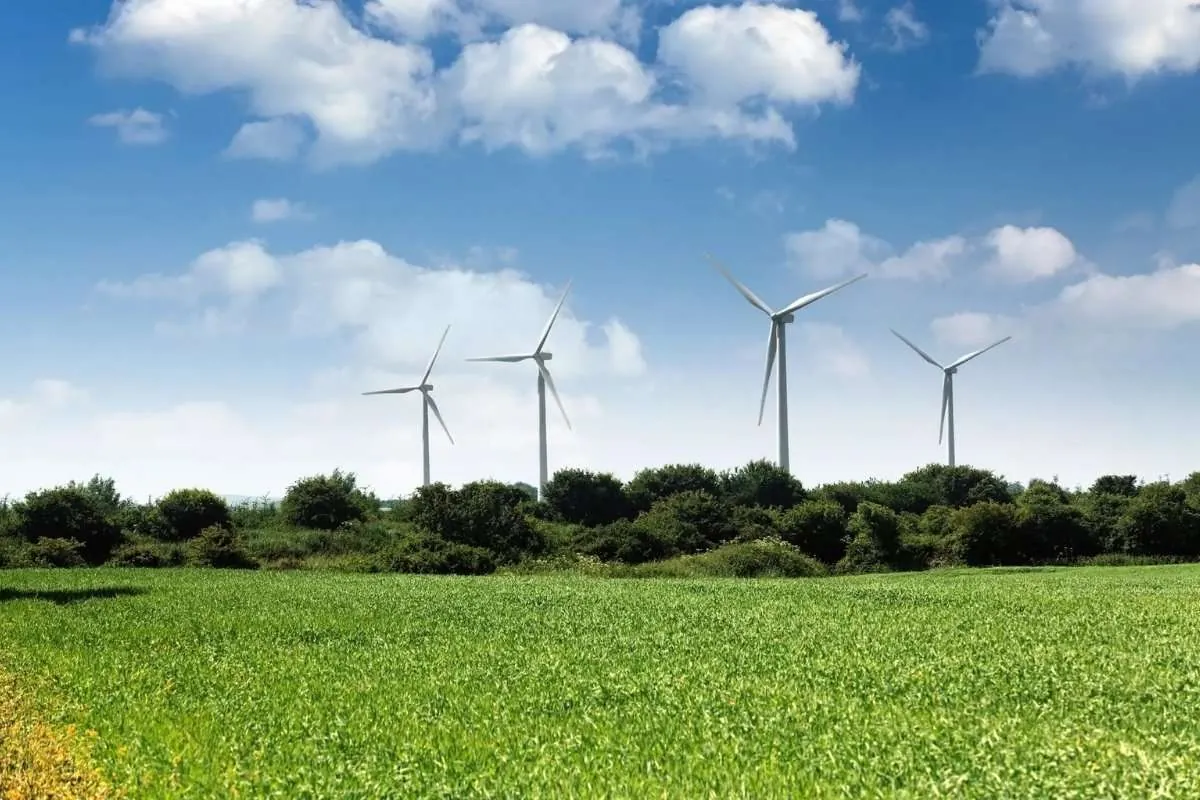
The primary acoustic consideration from peaking plants, battery storage and data centers are as follows:
Open Cycle Gas Turbines (OCGTs) and Reciprocating Internal Combustion Engines (RICE) are largely the same from a noise control standpoint. They contain large gas or diesel powered turbines or engines that turn a series of generators. Most of the noise is generated as breakout noise from the turbines / engines and the generator. As such, it is essential to enclose these noise sources using an appropriately designed building. These buildings are often made from concrete which is durable and the heavy mass can provide a high level of sound insulation, particularly at low frequencies. However concrete buildings are expensive, and construction time can be long.
Modern Methods of Construction, such as specially designed Acoustic Buildings are rapidly replacing concrete buildings. Acoustic buildings are designed using lightweight acoustic materials (e.g. acoustic sandwich panels) that provide a high level of sound insulation while also being a more cost effective solution to construct. Twin skin variations can provide good sound insulation at low frequencies which is often of critical importance when designing noise control solutions for power stations. These buildings can be designed to include a sound absorbing inner face to further help control noise levels, by reducing the buildup of reflective noise within the engine / turbine cell.
Figure 3: Sound Transmission Loss data provided by EnergyLink International from their acoustic building range.
Once the building is in place, acoustic silencers and acoustic louvre systems are required on all inlets and outlets and all doors must be fitted with acoustic seals and automatic closers. There is also some ancillary equipment that needs to be addressed from a noise standpoint such as external cooling fans, compressors and transformers. Clever use of noise barriers and enclosures can ensure that noise breakout from these items is appropriately controlled. This results in a soundproof building that protects nearby noise sensitive locations and allows power stations to be sustainably built in a variety of urban landscapes.
Noise from data centers primarily consists of noise from chillers and cooling equipment and also noise from ancillary power generation. Chillers and related cooling equipment can cause major headaches for data centers especially if it is located close to a noise sensitive location. The large chillers that data centers use emit noise levels that are in excess of 100dB LwA and these units are typically located on the roof of the building, often with clear line of site to nearby noise sensitive locations. The two primary noise sources on a chiller are the cooling fans and the compressors. While it is possible to treat each of these individually by enclosing the compressors and installing silencers on top of the cooling fans, the most common way to minimise noise breakout from chillers is good placement away from noise sensitive receptors and by the use of correctly designed sound absorbing noise barriers.
Noise from air handling equipment and ventilation fans for Heating, Ventilation and Air Conditioning (HVAC) can typically be controlled using appropriately specified silencers on all fresh and exhaust air ducts. In some cases, it is also required to control breakout from the air handling units and fans by locating them inside an acoustic casing.
Ancillary power generation tends to come in the form of modular Open Cycle Gas Turbines. These modules require the same noise control measures that were described above for Peaking Plants, albeit on a smaller scale.
ESB have more than 300MW in Battery Energy Storage Systems (BESS) in Ireland [4]. Battery storage systems are usually fairly quiet. However, the battery storage units have cooling fans, inverters and some ancillary equipment and these can create a low-level hum. Depending on the number of cooling fans, inverters and the proximity to nearby noise sensitive locations there is a small risk of tonal noise transfer. However, this can be easily managed with good site placement and when required, using noise barriers.
The graph below shows the 1/3rd octave frequency breakdown from a measurement taken inside a large Battery Energy Storage System. The graph shows some elevated sound energy at 40Hz, 100Hz and 200Hz, likely due to an electrical hum from the inverters.
Figure 4:1/3rd Octave graph of a measurement taken by Allegro Acoustics in the middle of a large battery energy storage facility during discharge.
The noise sources discussed above can cause significant adverse effects to noise sensitive locations close to these facilities, if not appropriately addressed through effective noise control. High noise levels can result in sleep disturbance, annoyance and increased the risk cardiovascular disease, diabetes and stress [4]. Thankfully, noise emissions from these sites are regulated to protect nearby noise sensitive locations. New power stations and data centers in Ireland require an Industrial Emissions Licence (IEL) and this licence includes noise the following noise limits that the facility must adhere to:
A +5 dB penalty is applied to the specific noise level from the facility if any tonal or impulsive characteristics are present during daytime or evening hours. At night-time, tonal or impulsive noise is not permitted. These limits apply at the nearest noise location to the facility and are strictly monitored via an annual noise monitoring survey carried by a suitably qualified noise control engineer.
A noise sensitive location is defined as “Any dwelling house, hotel or hostel, health building, educational establishment, place of worship or entertainment, or any other facility or other area of high amenity which for its proper enjoyment requires the absence of noise at nuisance levels”.
The best way to meet these noise limits is to design the facility with acoustics and noise control in mind. Of course, it is also possible to retrofit noise control solutions, but this tends to be more expensive and has the potential to disrupt operations. In order to design an energy and data centre project with noise control in mind, it is essential to employ the services of a competent noise control engineering team from the onset. A good noise control engineer will carry out the following assessment:
This process ensures that the facility operates quietly and unobtrusively, supporting a stable electricity grid and continued energy development that responds to a changing landscape without causing noise nuisance.

Your enquiry is on its way. We'll be in touch shortly.